There is no bus from downtown Spokane to the Latah Valley. The only way to the homes nestled in sun-bleached grass just southwest of downtown is by car, funneled along the arterial US 195.
The roads to the area are winding, then lattice out into developments like Eagle Ridge and the neighborhoods of Latah/Hangman and Grandview/Thorpe, the latter of which sits on the bluff above the valley. There is no school, so the children must be bused to Cheney or the South Hill.
And yet, developers have eyed the area for years, unveiling new housing projects for more than a thousand new homes. On average, a single-family home in the neighborhood is valued at almost $560,000, almost 38% more than the city as a whole, according to Zillow.
Last Tuesday, the Washington State Board of Natural Resources approved a priority list of
six land
parcels that they will recommend for $30 million in total legislative funding — the highest
amount
allowed by state law — that would fully fund five of them, with partial funding for the
sixth. The
Thorpe property slotted in at fifth place — putting it on track for the state’s Trust Land
Transfer
Program, which allows the Department of Natural Resources (DNR) to protect valuable public
land
while also improving the trust land portfolio’s financial performance.
Transferring the property to the city would preserve rare plant ecosystems and provide park
services
in the neighborhood, where residents have long criticized the lack of infrastructure. But
Latah
Valley’s community advocates say that the area’s core issues remain unsolved.
Just over a year ago, the valley’s Thorpe Natural Area, home to ponderosa pines and mule
deer,
seemed destined for the hands of Redmond-based Blue Fern Development.
The morning after the Trust Land Transfer announcement, community members and officials
gathered to
celebrate a major step toward preserving the parcel. Residents who have spent years pushing
back
against more development in the valley say this is only a start for resolving the valley’s
deeper
problems.
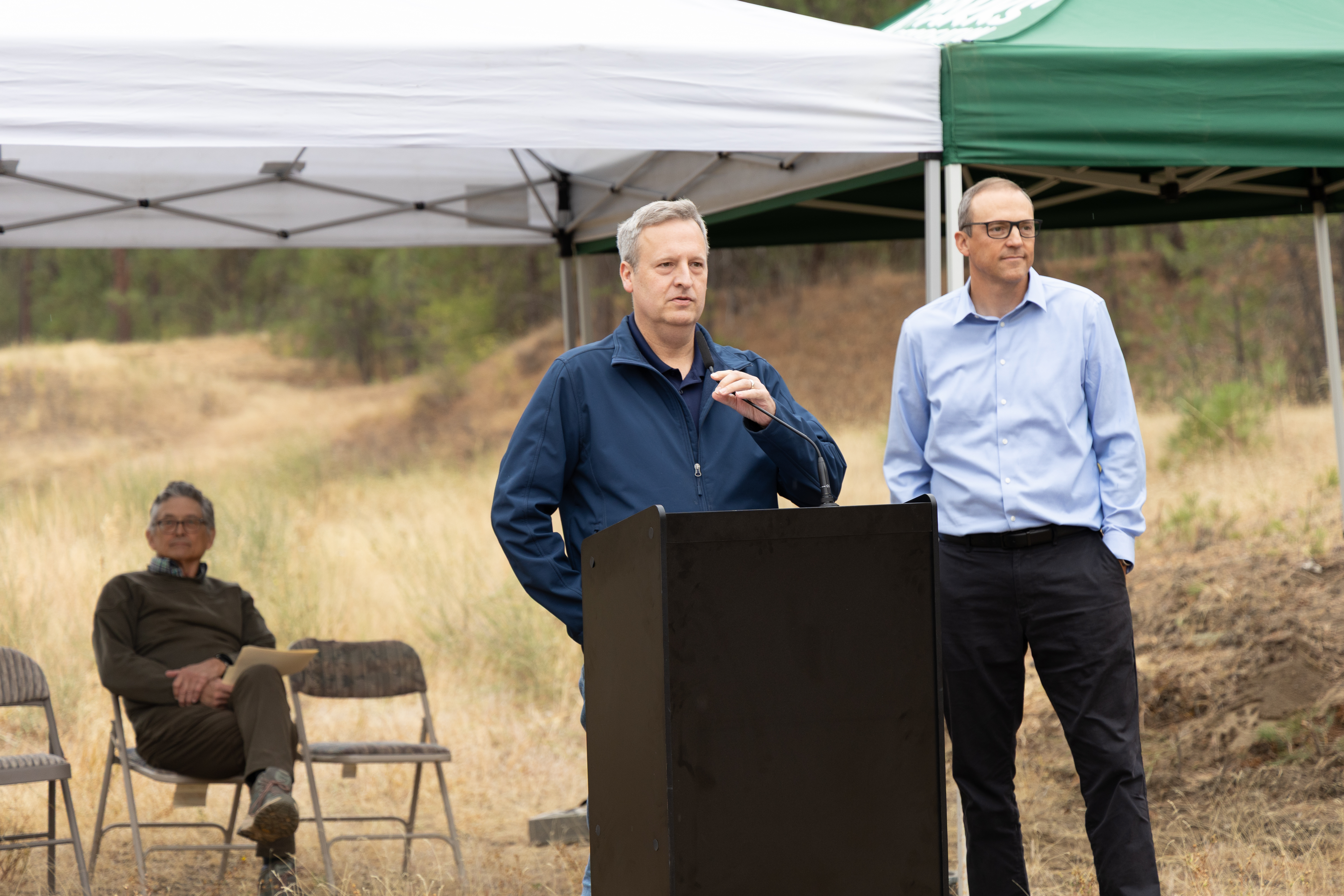
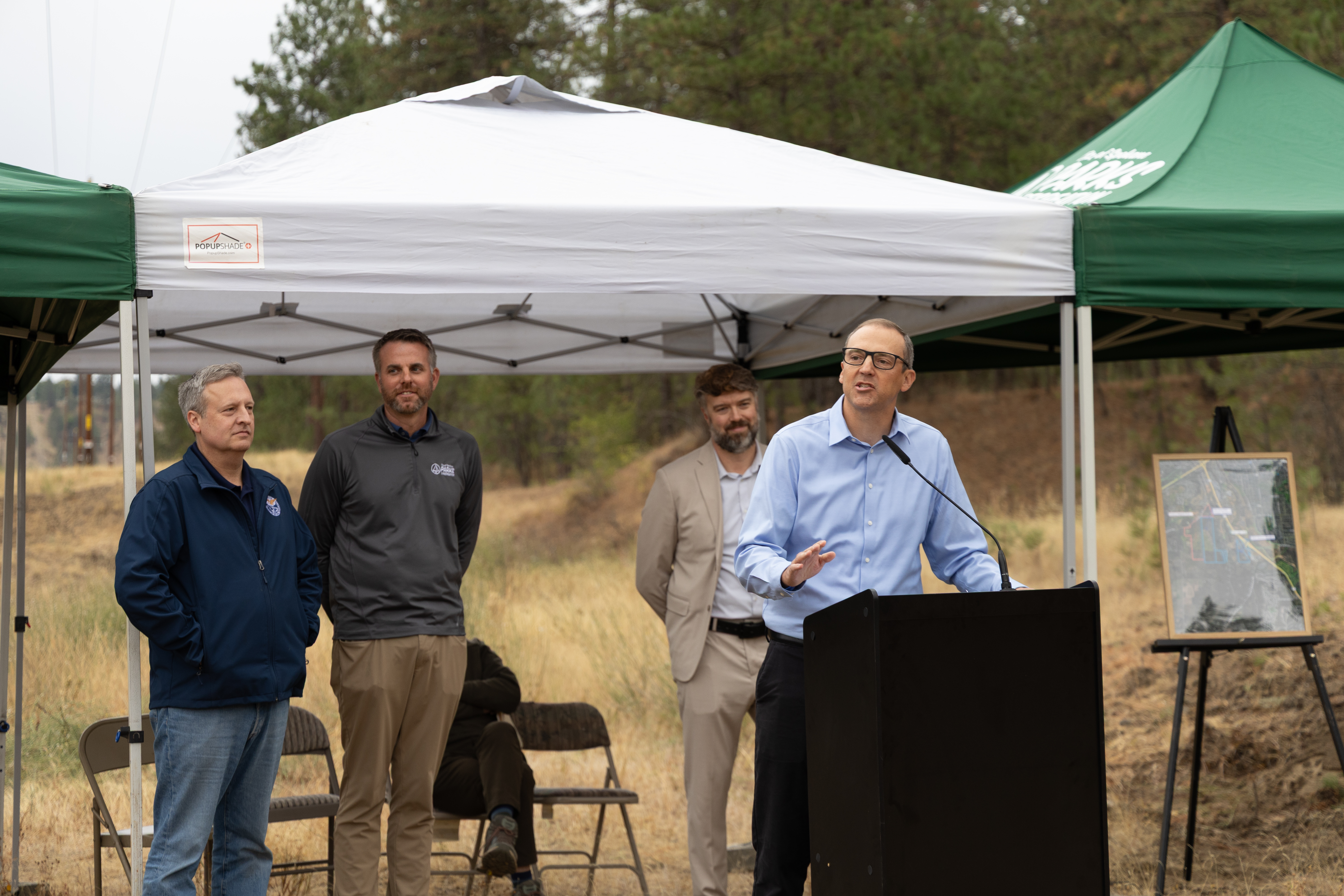
“The opportunity to do something positive, to contribute to the rebuilding of this city at a time when other parks and open spaces have been burned and damaged, to bring a positive vision to the city at this moment in time, I think, is more important than ever,” Washington state Public Lands Commissioner Dave Upthegrove said September 2 to a crowd of a couple dozen people.
The state-funded Trust Land Transfer Program allows the DNR to protect valuable public land while
also improving the trust land portfolio’s financial performance. Although the DNR normally manages
trust lands to earn revenue for public beneficiaries through activities like timber harvest,
agriculture or leasing, the program can transfer a parcel with limited earning potential to another
public agency.
If the legislature votes to fund the proposal in 2027, the parcel would benefit the Common School
Trust, a DNR-managed public land trust that funds public school construction.
“There’s no done-deal. So just as a reminder, this will be put forward for consideration, and the
legislature is the trustee,” state Sen. Marcus Riccelli (D-Spokane) said.
Though the state faces a budget deficit of almost $500 million in the upcoming biennium, this
program is funded by the capital budget — and not the operating
or transportation budgets most impacted by the shortfall.
The real question is how far down the list the state legislature would fund, according to Riccelli.
“The only caveat there is with huge budget holes — if they occur, there have been times in the past
where capital budget dollars have gotten swept to help fund operating,” Riccelli told RANGE. “So
there needs to be advocacy at the community level.”
Tom Uniack, executive director for conservation organization Washington Wild,
said DNR’s decision puts the Thorpe parcel back on the path advocates have long pushed for: allowing
the state legislature to fund a trust land transfer rather than pursuing a separate exchange with a
private developer.
This comes after years of local advocates calling for — and getting — a pause in development in the
Latah Valley, citing infrastructure concerns and the fire risks associated with building into the
wildland urban interface (WUI).
These concerns are not without merit.
Molly Marshall, the cofounder of Citizen Action for Latah Valley, said her neighborhood had
their
first evacuation order during the Russell Road fire in
August 2023.
In the chaos, she recalled a kid riding his skateboard around, telling people to leave. But
even as
evacuees were told to go south, there was no way out in that direction for her neighborhood,
she
said.
According to Marshall, this is an example of the egress issues that residents continue to
wrestle
with. Since then, the city has hosted two evacuation drills in Latah Valley — for the
Grandview/Thorpe area in May 2025 and in the Latah/Hangman and Eagle Ridge areas in
April.
A report published
after the April drill identified five main egress routes. The route from East
Meadowlane Road to US 195, both northbound and southbound, experienced “consistent”
congestion, with
queue lengths of up to 50 vehicles at peak times throughout the exercise. Internal
neighborhood
intersections also showed congestion, according to the report.
“These findings demonstrate that while multiple egress routes exist, evacuation performance
is
heavily influenced by a small number of critical corridors,” the report said.
In part to curb these concerns, the Washington State Department of Transportation has
requested development moratoriums for Latah Valley in the past. In
response, the city approved a six-month stint in September 2022 and a one-year pause in May
2024. The city pledged to come up with solutions to these problems in the meantime.
However, more than 1,500 homes have been approved since the first
moratorium.
Construction for The Marshall Creek estates, with 425 homes, was approved
in October 2024 as
its application had been submitted before the first moratorium.
In November 2025, after the second moratorium expired, 142 homes were approved for the Latah Glen development.
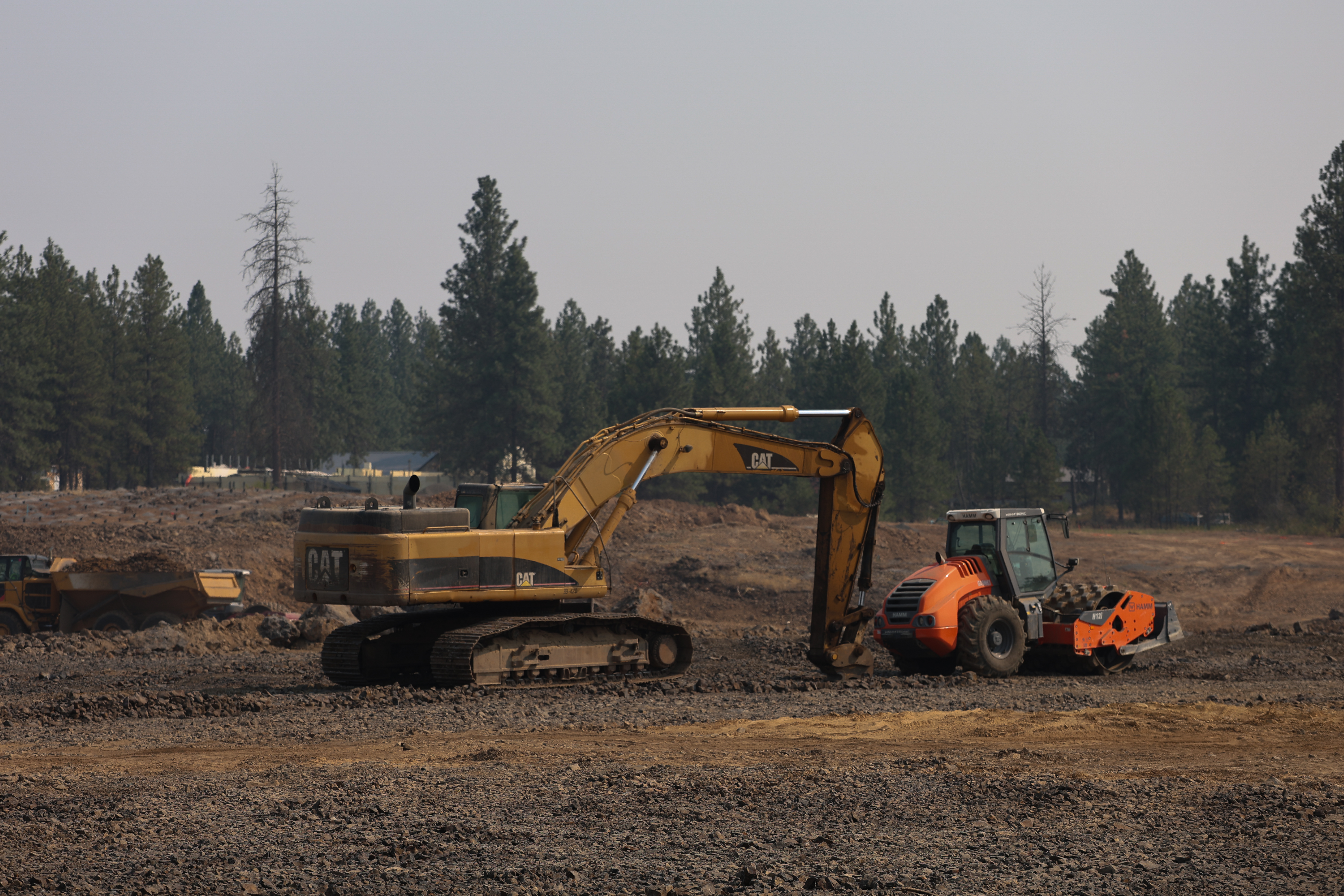
The nearby 997-lot Victory Heights project, backed by Blue Fern Development, was also already in the development pipeline and approved in May 2025.
The first three phases of the Victory Heights plat are approved for construction, according
to city
spokesperson Erin Hut. These phases include the installation of infrastructure like
utilities,
streets, sidewalks and shared pathways. Those components must be in place — or the developer
must
post a bond guaranteeing they will be — before any final approval of lots and homes, she
wrote.
The development became intertwined with the fate of the Thorpe parcel when the DNR, under
former
Washington state Public Lands Commissioner Hilary Franz, tried to simultaneously pursue a
land
exchange that would have transferred the property to Blue Fern Development in exchange for a
commercial parcel with a grocery store and parking lot in Bellingham.
At the time, Blue Fern did not own the property, according to the DNR’s
proposed exchange document.
“There’s one way to deal with this underproducing asset, which is trust land transfer, and
then
there’s another option, which is mutually exclusive… is to do a transfer like in this case
with the
developer,” Uniack said.
Blue Fern wanted the Thorpe parcel to “significantly expand” their plot, City Council Member Paul
Dillon told RANGE.
In July 2025, the exchange was canceled,
keeping the Victory Heights project at its already-approved size.
“I would hope that this land being preserved does, in fact, again send a message,” Dillon said of
the recent recommendation. He credited local advocates like Friends of the Bluff’s president Jeff
Lambert and volunteers for claiming the region as a conservation area.
Uniack slammed the previous DNR administration for pursuing both tracks, which he said was “strange”
and “unheard of.” The Thorpe parcel had already gone through the Trust Land Transfer process when
the agency began moving toward the exchange, he said.
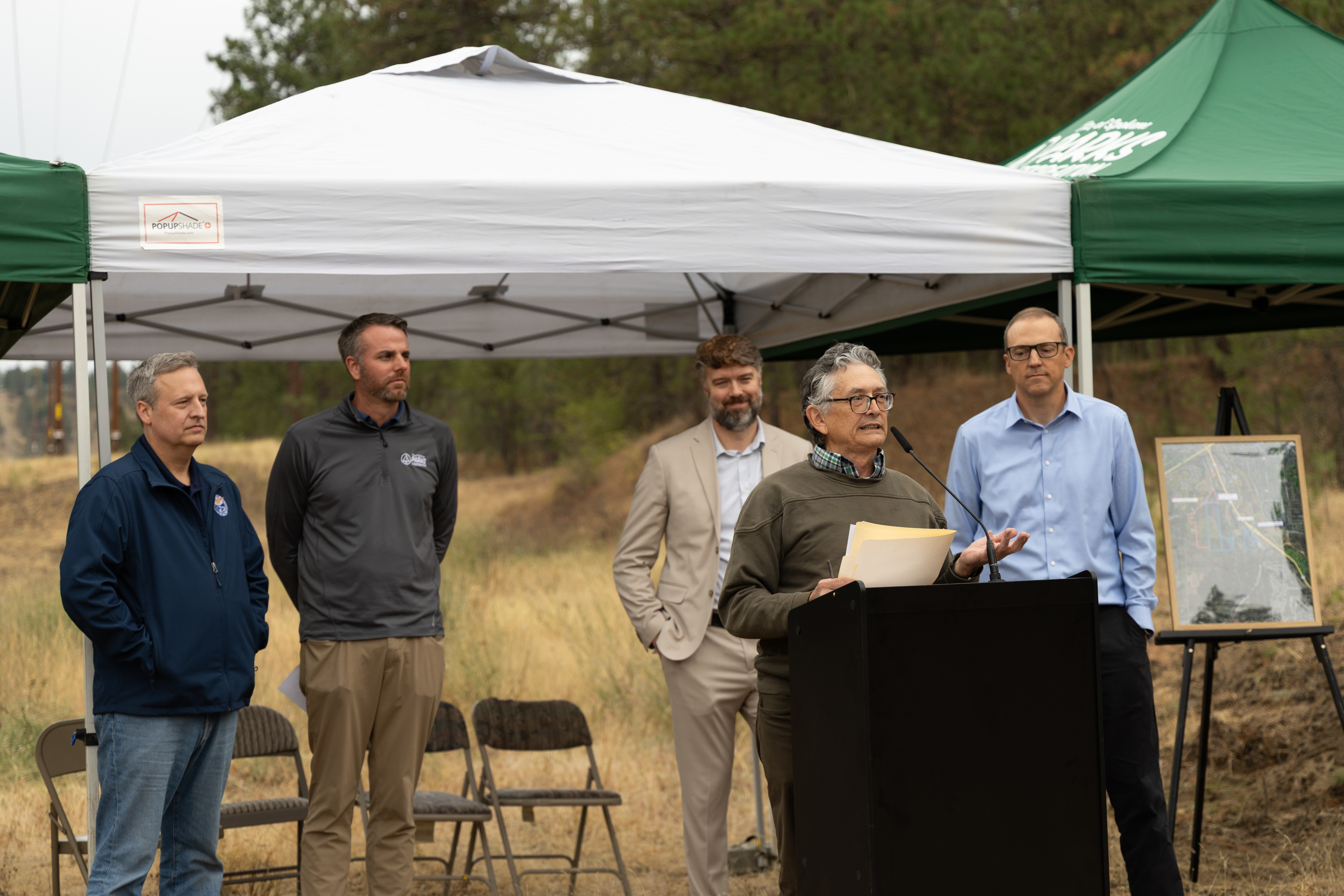
On Wednesday morning, local conservationist group Lambert questioned why that exchange was
considered at all, describing the situation as a “freight train let loose.”
“This is an opportunity for us to really take a look at the way our planning department works with
developers and make sure that we can limit this kind of thing from happening in the future,” Lambert
said.
Yet, prospective homeowners continue flocking toward the Latah Valley. Keri McCombs, a member of
Spokane REALTOR’s executive board, said the area boasts easy freeway access that makes it attractive
for commuters, including military personnel and airline employees.
"It feels like its own community that is far from Spokane, but yet it’s such a close commute to
downtown Spokane,” McCombs said. In particular, people enjoy neighborhood amenities like walking
trails, community activities and public spaces in the Qualchan and Eagle Ridge areas, she noted.
She said egress issues are a concern countywide, not just in the Latah Valley, but there are
consumers who don’t view that as a major concern. McCombs pointed to Indian Trail and Five Mile as
an example. Before the Spokane Complex fires this August, she said, most residents there probably
would not have thought evacuation a concern.
Additionally, buyer concerns about a specific risk often fade within a year or two of the last
disaster, according to McCombs.
There’s also been support for more development because it increases the area’s property taxes, which
could provide funding for “more amenities to protect consumers,” she said. Latah Valley accounted for roughly 3% of homes sold in Spokane County last year — 207 out of 6,820 total, according to Spokane REALTORS.
“The Latah Valley has continued to suffer over the years simply because there isn’t agreement, and
there isn’t a common discussion had,” McCombs said. “There’s just a lot of arguing about what
shouldn't happen.”
To some, the Latah Valley’s infrastructural issues are far from over. Even just concentrating on
Thorpe Road, “band-aid solutions” allow development to progress while failing to address
longstanding concerns, Marshall said.
“That’s what’s very disheartening for so many — just keep building, adding more people — but we’re
looking at it just through the lens of that development, not as development as a whole in the area,”
Marshall said. “That’s where you see the safety issue.”
These concerns span both emergency response and traffic infrastructure alike, from century-old
railroad tunnels too narrow for two-lane emergency traffic to a fire station operating out of a
converted house.
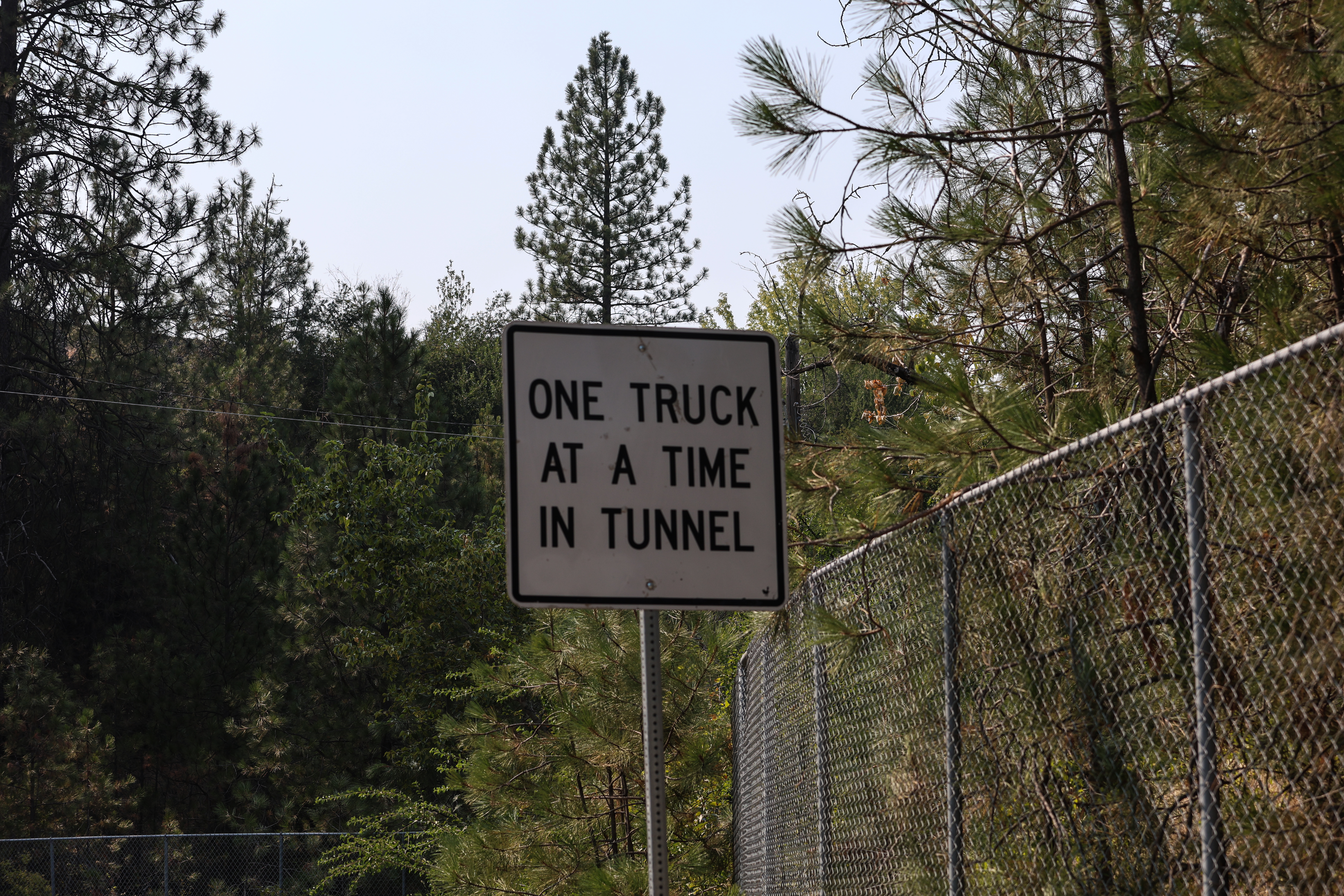
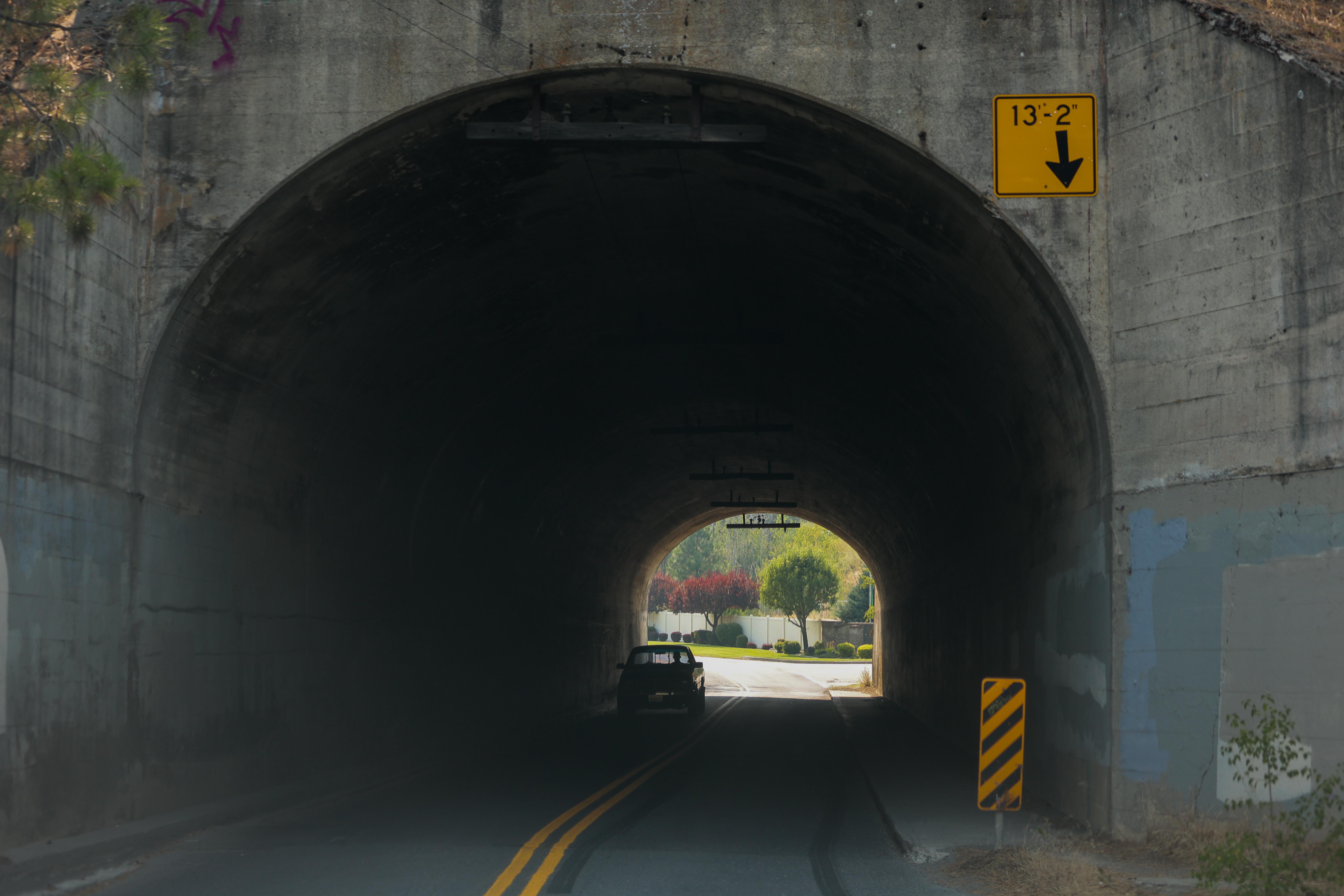
The century-old Thorpe Road tunnels remain an issue for concerned residents, Marshall said.
Converted from railroad tunnels, the two passageways — the main way in and out of the Thorpe
neighborhood — are too narrow to support two-lane emergency traffic, meaning a fire truck couldn’t
pass through if needed, she said. WSDOT has flagged these tunnels as a concern since
the 1990s.
According to Hut, retrofitting the Thorpe tunnels to modern safety standards would cost an estimated
$55 million to $60 million.
Spokane Audubon Society member Brian Muegge said that scaled-backed development could also change
the scope and cost of fixing the Thorpe tunnels. Rather than engineering for thousands of additional
residents, reduced growth could end up being cheaper for retrofitting, he proposed.
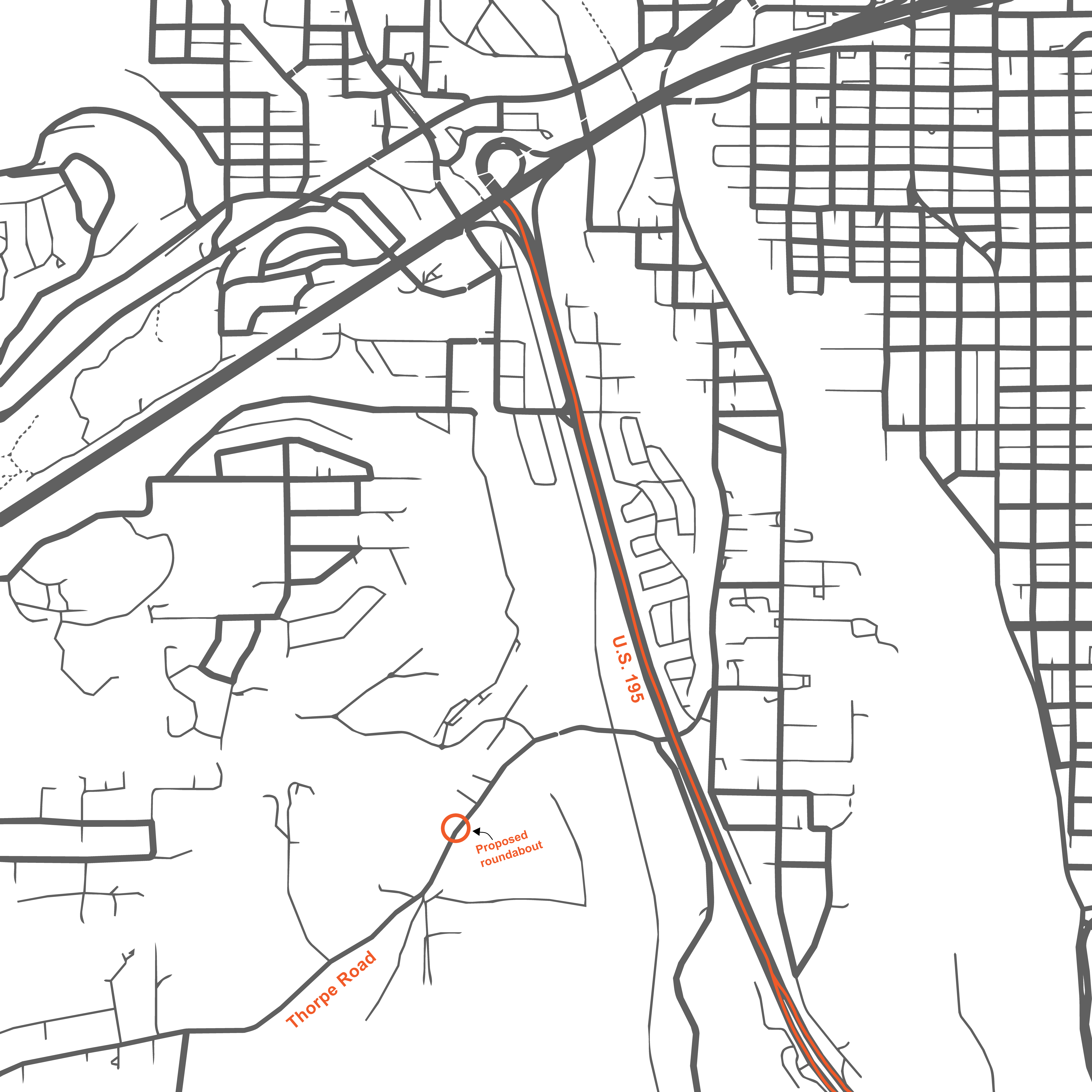
Additionally, the Victory Heights development includes a three-legged roundabout on Thorpe
Road, which Marshall criticized for its potential to block traffic flow in the event of an
emergency.
In a written statement to RANGE, Hut said that the approved roundabout design review included
“consideration for the ability to redirect traffic westward if operational conditions at the tunnels
reach unacceptable levels in the future.”
Dillon pointed to the highway as another infrastructural concern — one out of the city’s
purview.
He said he hopes that WSDOT will lower the speed limit to 40 miles an hour. However, he said that
there’s been a lack of interest from the department, as it would slow freight traffic along the US
195 corridor.
“The missing part of this conversation is how 195 is very dangerous,” Dillon told RANGE. “We need a
real vision with the growth that is going to continue happening in so many parts of Latah.”
Though there’s been some improvements such as J-turns designed to reduce risky left-hand crossings
from Thorpe Road onto the highway, he said those are only stopgaps.
Dillon also wants more “placemaking” that will make the area feel more like a neighborhood,
especially considering the amount of development that will be coming in.
According to Parks and Recreation department director Garrett Jones, an analysis of the city park
system identified the Grandview/Thorpe neighborhood as having one of the worst accesses to public
parks — with 44% of residents in the area lacking access to a park or open space within a 10-minute
walk.
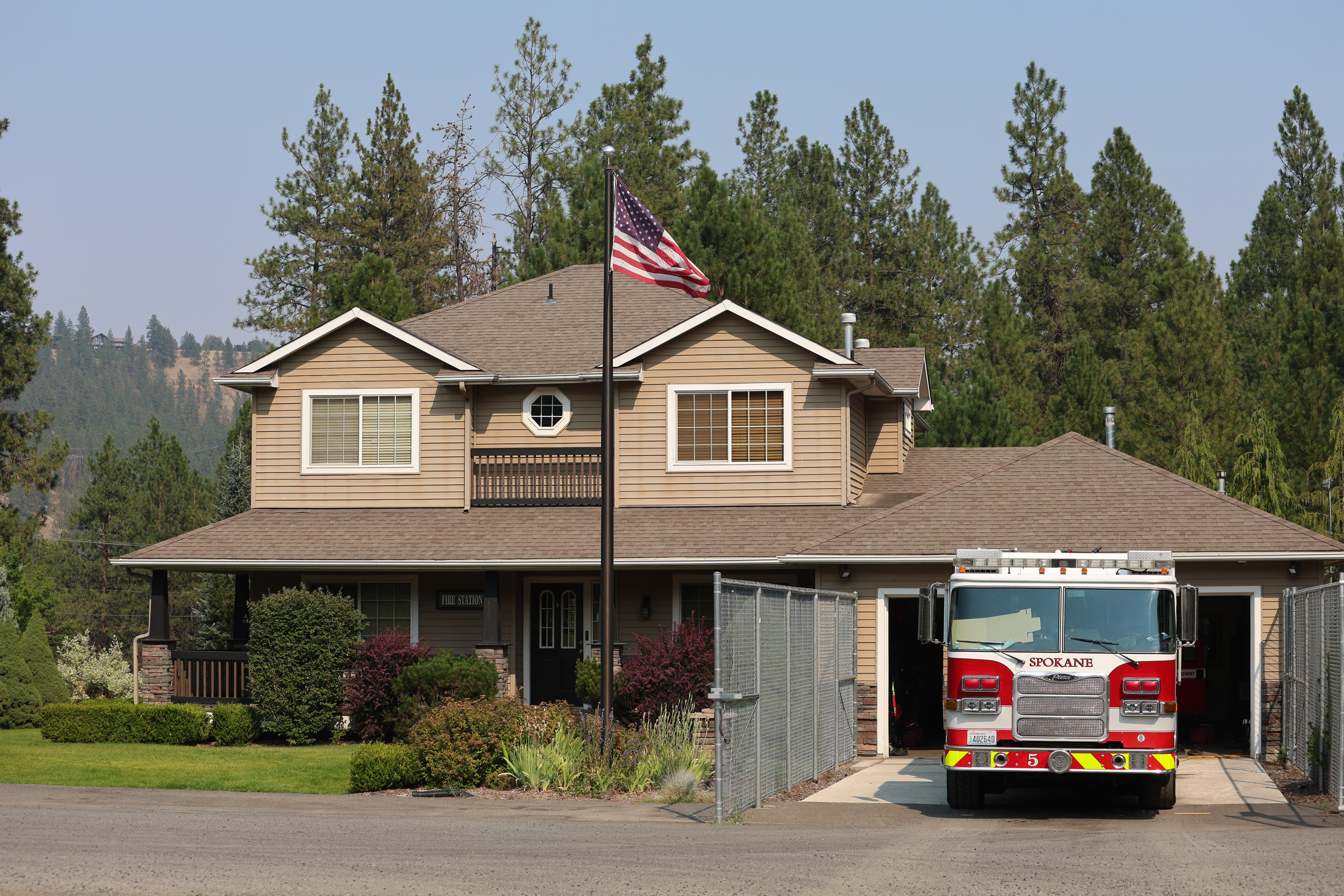
The area lacks a real fire station too. The current building serving the area, Fire Station 5, is a
repurposed single-family house.
Though the city already owns a property off of Cheney-Spokane Road, a lack of funding stands in the
way of providing the area a suitable fire response center, according to Dillon. He estimated that it
would cost about $8 million, of which Riccelli has already acquired $500,000 from the state.
Fire impact fees on new developments could help fund that gap, Dillon said. In 2023, the city
approved an ordinance to charge developers more for new water and wastewater hookups — with steeper
fees for properties at higher elevations, like those in the Latah Valley area.
To Muegge, the conversation surrounding the Thorpe parcel is the “ground zero” of the kind of
conversations that communities building into wooded areas need to have.
His key question remains: “Should we continue to incentivize development in these WUI areas,
or should we work to preserve open space?”